If you're searching for property in 2026 and feeling overwhelmed by price pressure and shrinking options, you're not alone. Dual-occupancy and multi-generational homes are dominating buyer searches, delivering higher rental income, family flexibility, and smarter risk mitigation in a market squeezed by affordability constraints and rising rates.
Why Dual Occupancy Properties Are Dominating Buyer Searches in 2026
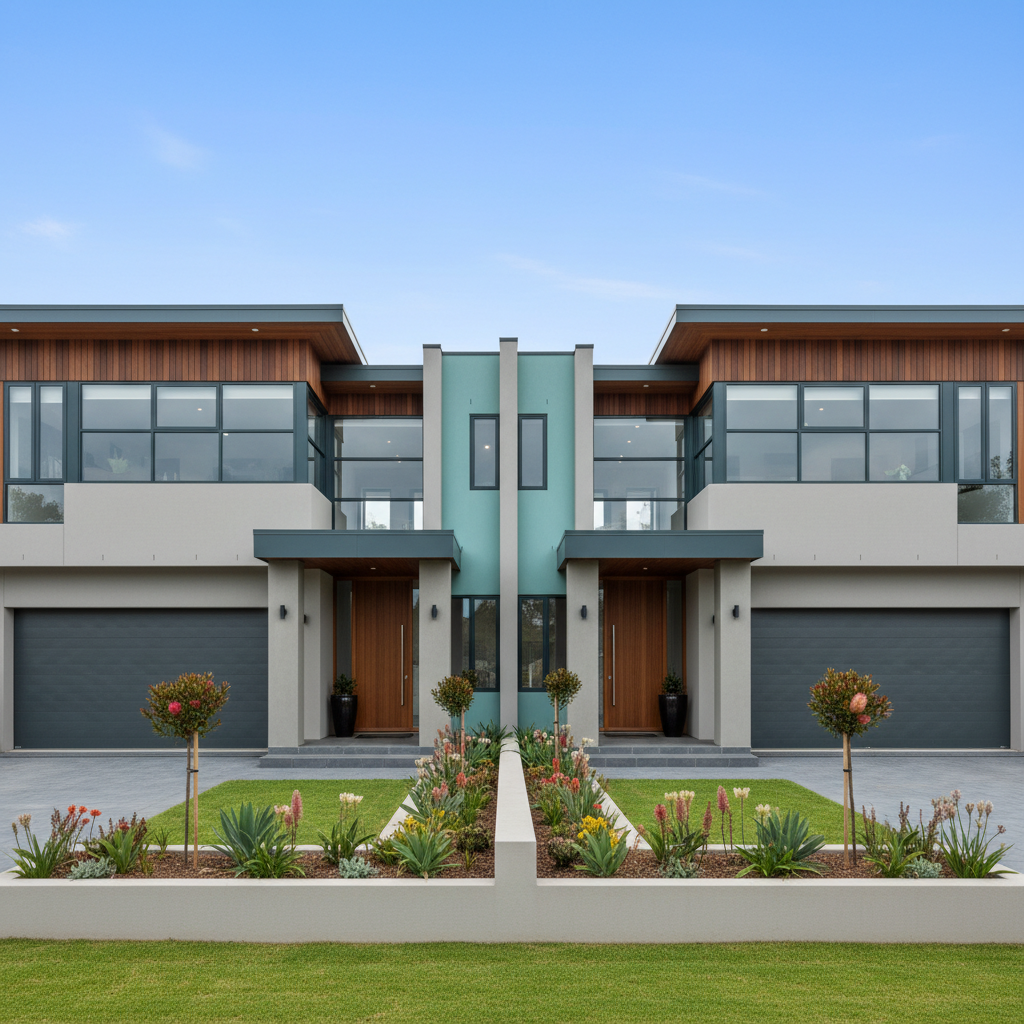
Australian property buyers and investors are changing their search criteria fast. Properties that allow granny flats, duplexes, or separate studios are no longer niche plays. They're becoming the default for anyone serious about building long-term wealth or accommodating extended family without sacrificing privacy.
The shift isn't cosmetic. According to LJ Hooker's 2026 market outlook, "townhouses, dual occupancy dwellings and mid-rise apartments" are surging in popularity as affordability pressures push buyers to chase value over postcodes. This structural change is reshaping how Australians think about property ownership, investment strategy, and family living arrangements.
Buyers Agency Australia has observed this trend accelerate across every capital city in the last 18 months. Clients who previously targeted traditional single-dwelling homes are now explicitly requesting dual-income potential or multi-generational floor plans as non-negotiable criteria.
Higher Rental Income Without Multiplying Your Holdings
The appeal is straightforward. A well-executed dual-occupancy property delivers two rental income streams from one land parcel. That means one set of council rates, one mortgage, and double the cash flow compared to a standard house.
According to recent data from granny flat specialists, Sydney granny flats rent for $600 to $800 per week, generating $31,200 to $41,600 annually. In Melbourne, yields above 10% are achievable with the right design and location. Perth granny flats typically command $400 to $600+ weekly, with yields around 4 to 5%.
For property investors, the math is compelling. You're increasing rental yield without the complexity of managing two separate properties in different suburbs. The main residence and secondary dwelling share infrastructure, reducing per-unit holding costs while maximising land utilisation.
Risk Mitigation When One Tenant Leaves
One of the most underrated advantages of dual occupancy properties is vacancy risk mitigation. If one tenant vacates, you still collect rent from the other dwelling. In a high-rate environment where cash flow matters more than ever, that buffer can be the difference between holding comfortably and selling under pressure.
Traditional single-dwelling investors face a binary outcome: full rent or zero rent. Dual-occupancy owners have built-in resilience, maintaining at least 50% income during tenant transitions.
Multi Generational Homes Are Now Mainstream, Not Niche
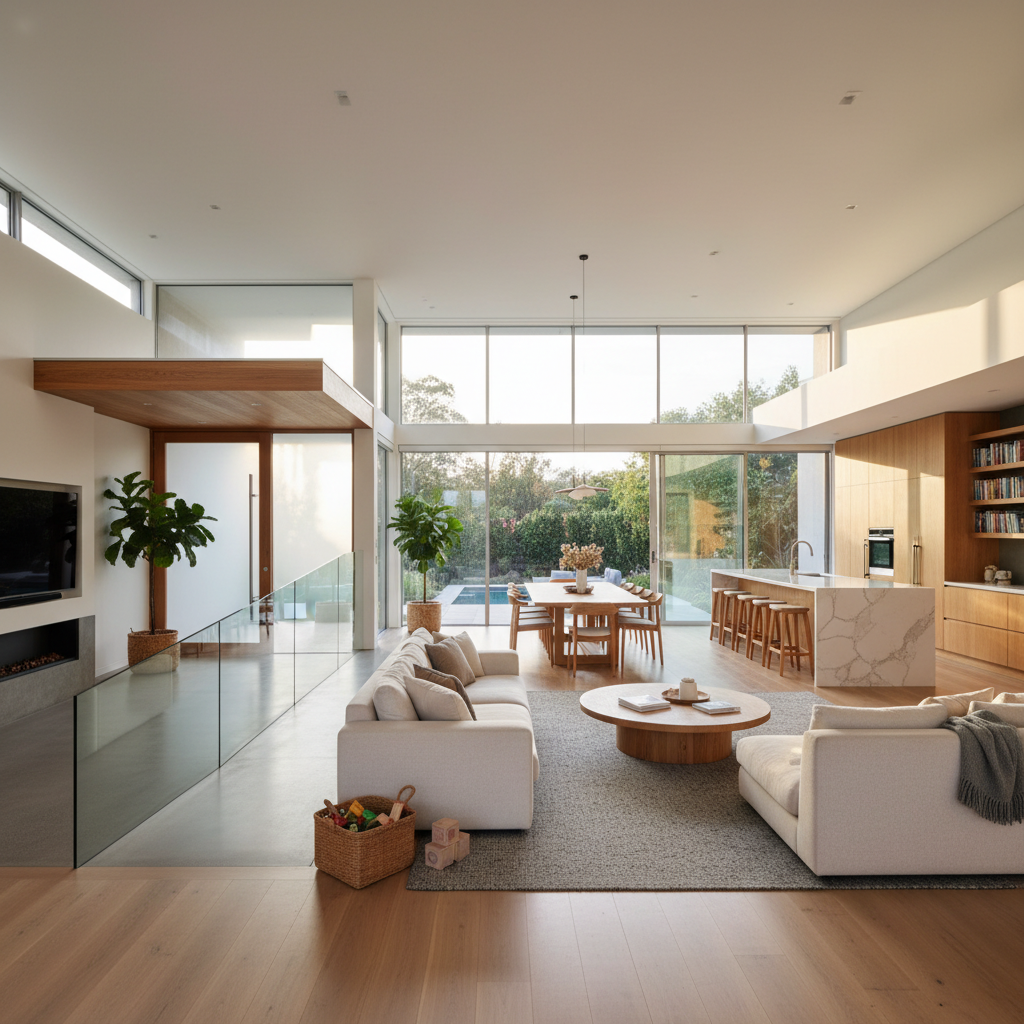
Multi-generational living has shifted from cultural exception to economic necessity across Australia. One in five Australians now live in multi-generational households, according to UNSW's City Futures Research Centre. ABS data shows households containing three generations increased 22% between 2016 and 2021, from 275,000 to 335,000.
What's driving this surge? Three forces are converging.
Affordability Pressure Is Forcing Families Back Together
Median house prices across Australia's capital cities have risen more than four times faster than wages since the mid-1980s. First-home buyers priced out of their preferred suburbs are increasingly choosing to live with parents while building equity elsewhere or pooling resources to purchase larger homes that accommodate multiple generations.
Two-thirds of older Australians face housing stress, and adult children are staying home longer or returning after relationship breakdowns or job changes. The rental crisis has created what researchers describe as an unexpected silver lining: families rediscovering the benefits of shared resources and intergenerational support.
Multi Gen Living Delivers Financial and Emotional Benefits
Beyond cost-sharing, multi-generational households offer practical advantages that resonate in 2026. Grandparents provide childcare, reducing or eliminating daycare expenses. Adult children assist with elderly care, delaying or avoiding institutional aged care costs. Shared living reduces isolation for seniors and provides built-in support networks for working parents.
Research from the Netherlands found grandparents who care for grandchildren score higher on memory and verbal fluency tests. Multi-generational living isn't just economically rational; it's increasingly recognised as beneficial for mental health and family cohesion.
Developers and Builders Are Responding With Purpose Built Designs
The property industry is adapting. Builders now offer dual-living floor plans under one roof, separate wings with independent entrances, and ground-floor master suites designed for accessibility. McDonald Jones Homes reports increased demand for dual-occupancy homes over the past five years, with clients explicitly requesting features like multiple living spaces, ensuite bedrooms on ground floors, and layouts that support privacy across generations.
Professional design is converting compact yards into dual-income properties. Two-storey granny flats preserve backyard space while delivering $500+ weekly rental income and yields above 13% in some Melbourne suburbs.
Granny Flats and Duplexes: The Property Types Delivering Results
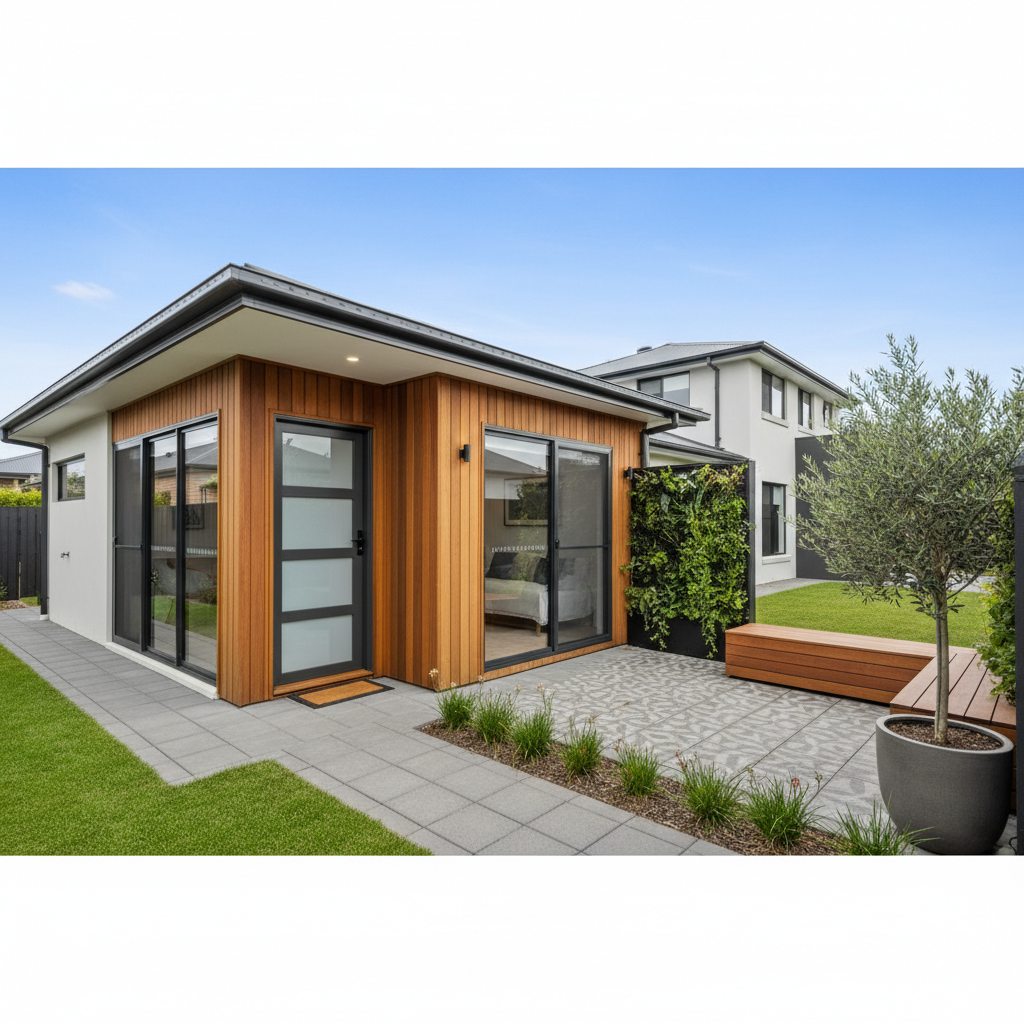
When buyers and investors talk about dual occupancy properties, they're typically referring to three main configurations: granny flats, duplexes, and subdivision-ready land.
Granny Flats Offer the Fastest Path to Dual Income
Granny flats are secondary dwellings built on land you already own. They're self-contained, typically 60 to 100 square metres, and can be rented independently or used for family.
The investment case is strong. A $220,000 granny flat in Melbourne can generate $8,000 to $10,000 in tax deductions during the first year through depreciation. Many owners achieve cash-flow-positive outcomes sooner because there's no land acquisition cost.
Councils across Australia are streamlining approvals. In South Australia, new regulations require minimum green space and tree planting, but the PlanSA Portal has simplified the process. Western Australia's planning reforms are making granny flats easier to approve and rent legally.
The granny flat investment market is gaining attention as a relatively affordable way to increase rental yield and capital value, particularly in land-constrained inner and middle-ring suburbs.
Duplex Properties Combine Scale With Flexibility
Duplexes offer two separate homes on one block, either side-by-side or stacked as double-storey builds. Each side has its own entrance, kitchen, bathrooms, and living areas.
The investment appeal is dual rental income from one land purchase. Compared to buying two separate investment properties, cost savings are significant. You save on land acquisition, share construction costs like foundations and roof structures, and benefit from economies of scale.
Duplex properties also attract long-term tenants. Families and professionals prefer them over apartments because they offer more space, privacy, and often a backyard. When paired with modern design, duplexes hold value and keep tenants happy.
Manufactured equity is another advantage. When a duplex is subdivided and strata-titled, property valuations on completion can exceed the original purchase price. This creates immediate equity uplift without relying solely on market appreciation.
Investors can hold both units for long-term rental income or sell one (or both) individually to realise gains. That flexibility allows rapid adaptation to market opportunities, income diversification, or capital recycling.
Subdivision Potential Properties Unlock Hidden Value
Land with subdivision potential is valued differently than standard residential homes. Buyers look at residual land value: the end value of new allotments minus demolition, civil works, council fees, and selling costs.
In South Australia, the Planning and Design Code governs all land use. Identifying your land's zone and overlay is the first step. Properties in Township Zones or Suburban Neighbourhood Zones may allow subdivision if minimum lot sizes and frontages are met.
Professional appraisals provide a "highest and best use" analysis to see how developers view your land. If your property has subdivision potential, it's worth more to a developer than a standard homeowner.
How Buyers Agency Australia Identifies High Yield Dual Occupancy Opportunities

Finding dual occupancy properties that actually deliver results requires more than suburb research and online listings. It demands boots-on-the-ground market knowledge, council regulation expertise, and financial modelling that accounts for construction costs, rental yields, and long-term growth potential.
Buyers Agency Australia specialises in identifying properties with dual-income potential before they hit the broader market. The team uses a data-driven approach combined with local council knowledge to shortlist properties that meet strict investment criteria.
Council Zoning and Overlay Analysis
Not every property can legally support a granny flat or duplex. Council zoning, overlays, and local planning frameworks determine what's possible. Buyers Agency Australia conducts upfront zoning analysis to eliminate properties with restrictive covenants, heritage overlays, or setback requirements that kill dual-occupancy feasibility.
This due diligence happens before clients waste time or money on unsuitable properties. The result: a curated shortlist of properties where dual-income strategies are achievable, compliant, and financially viable.
10 Year Portfolio Modeling for Multi Gen Investors
Buyers Agency Australia differentiates through long-term portfolio modelling. Rather than chasing short-term yields, the team models how dual occupancy properties fit into 10-year wealth creation strategies.
For multi-generational buyers, this means identifying properties with flexible floor plans that work now and adapt as family needs change. For investors, it means projecting rental income, capital growth, and equity release scenarios across a decade.
This transparent, fixed-fee model ensures advice aligns with client goals, not commission incentives.
Off Market Access to Dual Income Properties
Many of the best dual-occupancy opportunities never reach public listings. Buyers Agency Australia's network includes developers, builders, and private sellers who offer properties with granny flat approval, subdivision potential, or dual-living designs before they're advertised.
This off-market access is particularly valuable in competitive markets where dual-income properties attract multiple offers within days.
Practitioner Tips for Evaluating Dual Occupancy Investment Potential
If you're considering dual occupancy properties as part of your 2026 investment strategy, these practitioner tips will help you avoid expensive mistakes and identify genuine opportunities.
- Always verify council zoning and granny flat eligibility before making an offer; assumptions cost investors tens of thousands in wasted feasibility studies.
- Model rental income conservatively using current comparable rents in the suburb, not optimistic projections; vacancy and maintenance costs erode yields faster than investors expect.
- Factor construction costs accurately, including civil works, service connections, and council fees; granny flat builds typically range $190,000 to $255,000 depending on specifications and location.
- Assess borrowing capacity with your mortgage broker before committing; dual-occupancy projects require sufficient equity and serviceability to fund both land and construction.
- Consider tenant demand in the local area; granny flats near universities, hospitals, or major employment centres deliver strongest returns and lowest vacancy rates.
- Plan for property management of two tenancies; dual-income properties require clear agreements, separate metering, and coordinated maintenance.
- Understand tax implications including depreciation benefits, negative gearing, and CGT treatment; professional tax advice maximises returns and avoids costly errors.
What the Data Says About Dual Occupancy and Multi Gen Demand in 2026
The statistics confirm what buyers and investors are experiencing on the ground. According to Ironbark Group, properties that support multi-generational living are expected to remain in strong demand throughout 2026. As both housing prices and rents rise, more families are choosing to share accommodation to reduce living costs.
LJ Hooker predicts high housing prices and tight rental markets are encouraging more families to live together for longer, increasing demand for multi-generational homes that can comfortably fit parents, adult children, and grandparents.
In 2025, regional dwelling values rose 9.7%, compared to 8.2% across combined capital cities. Western Australia led with 16.1% annual growth, followed by regional Queensland at 12.6%. This growth is partly driven by rentvesting strategies where buyers rent in preferred lifestyle locations while purchasing dual-income properties in more affordable areas.
Reverse occupancy is a growing 2026 trend where buyers live in the smaller dwelling and rent out the main home to cover mortgage costs. This strategy is particularly popular among first-home buyers priced out of traditional ownership models.
The Risks and Realities: What You Need to Know Before Buying
Dual occupancy properties offer compelling advantages, but they're not without risks and complexity. Understanding the challenges upfront helps investors make informed decisions and avoid costly surprises.
Construction Cost Volatility and Budget Blowouts
Granny flat and duplex construction costs have stabilised compared to 2022-2023 volatility, but budget blowouts remain common. Civil costs including SA Water augmentation, open space levies, demolition, and site clearance catch many investors off guard.
Fixed-price contracts and transparent builders are essential. Budget carefully and maintain a contingency buffer of at least 10 to 15%.
Complexity of Dual Tenancy Management
Managing two tenancies on one property requires coordination. Separate metering for utilities, clear boundaries for outdoor spaces, and maintenance protocols are non-negotiable. Property managers experienced with dual-occupancy arrangements save headaches and protect cash flow.
Council Approval Delays and Compliance Costs
Even in streamlined jurisdictions, council approvals can take 6 to 12 months. In complex cases with overlays or non-standard designs, timelines extend further. Delays increase holding costs and push back rental income commencement.
Working with experienced town planners and surveyors accelerates approvals and reduces rejection risk.
Frequently Asked Questions
What is a dual occupancy property in Australia?
A dual occupancy property contains two separate dwellings on one block, such as a house with granny flat, duplex, or dual-key property, each generating independent rental income.
Are granny flats a good investment in 2026?
Yes, granny flats offer strong ROI with rental yields often exceeding 10%, lower entry costs than buying separate properties, and tax benefits through depreciation and negative gearing.
How much does it cost to build a granny flat in Australia?
Granny flat construction costs range from $190,000 to $255,000 depending on size, finishes, and location, with regional areas typically cheaper than Sydney or Melbourne.
Can I subdivide my property to build a duplex?
Subdivision eligibility depends on council zoning, minimum lot sizes, and local planning overlays; professional feasibility assessments determine if your land qualifies for subdivision and dual-occupancy development.
What are the tax benefits of dual occupancy investment properties?
Investors can claim depreciation on buildings and fixtures, deduct rental expenses and interest, and potentially benefit from negative gearing to reduce taxable income and improve overall returns.
Final Thoughts: Why Dual Occupancy Defines Smart Property Investment in 2026
The Australian property market in 2026 rewards strategic thinking over speculation. Dual occupancy properties and multi-generational homes aren't temporary trends; they're structural responses to affordability constraints, demographic shifts, and changing family values.
For investors, the case is clear: higher rental yields, built-in vacancy protection, and capital growth potential from one land holding. For families, dual-occupancy and multi-gen designs offer financial relief, intergenerational support, and lifestyle flexibility that traditional single-dwelling homes can't match.
Buyers Agency Australia's transparent, data-driven approach helps clients navigate this complex market with confidence. Whether you're a first-home buyer exploring multi-gen living or an investor building a high-yield portfolio, understanding dual-occupancy potential is no longer optional.
If you're ready to explore how dual-occupancy properties fit your wealth creation strategy, book a free strategy session with Buyers Agency Australia. The team will model your borrowing capacity, identify suitable properties, and provide transparent advice aligned with your 10-year goals.
For time-poor professionals who need end-to-end support, Buyers Agency Australia's fixed-fee model removes commission conflicts and delivers results. Learn more about the FastTrack approach at events.buyersagencyaustralia.com.au/fasttrack.