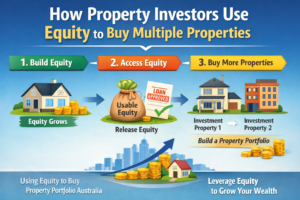
Most Australians who buy property never build real wealth from it. They overpay, buy emotionally, and get stuck with one negatively-geared property that drains their cash flow for decades. Without a clear strategy, manufactured equity, or access to off-market deals, they remain trapped in the rat race.
We've all been there. You hear about someone who made $200,000 in equity in two years. You see the headlines about property doubling every decade. You think, "I'll buy a property and ride the wave."
But here's the truth: most Australians who buy investment property never build meaningful wealth. They buy one property, watch it appreciate at 3% per year, bleed $300 a week in negative cash flow, and never buy a second. They're not property investors. They're accidental landlords.
If you're reading this, you're probably wondering why so many people fail—and how to avoid their mistakes. Let's break it down with 20+ years of boots-on-the-ground experience.
Why Most Property Investors Fail in Australia
Property investing in Australia isn't hard. But doing it wrong is incredibly easy.
According to the 2024 PIPA Annual Investor Sentiment Survey, 65% of property investors are experiencing negative cash flow. Over 40% report their finances are "tight," and 11% are dipping into savings just to hold their property.
Here's the kicker: 71% of property investors in Australia own just one property. Another 18% own two. These aren't property moguls. They're everyday Australians who bought a house, rented it out, and hoped for the best.
So what went wrong?
Buying Emotionally Instead of Strategically
You walk into an open home. The kitchen is renovated. The backyard has a deck. The agent tells you there are three other offers. You panic and bid over asking price.
Congratulations. You just bought a property that "feels" right but makes no financial sense.
Emotional buying is the silent killer of property wealth. You pay $50,000 over market value because you "fell in love" with a place. You ignore rental yield because the property "has character." You chase aesthetics over fundamentals.
The result? You overpay, over-borrow, and end up cash-flow negative from day one.
Buyers Agency Australia works with clients every week who nearly made this mistake. The difference between a $700,000 property bought emotionally and a $700,000 property bought strategically can be $100,000 in equity and $200 per week in cash flow.
Overpaying at Auction or Accepting Agent Pricing
Australian property prices hit a national median of $922,838 in February 2026, according to CoreLogic data. But median prices don't tell you what YOU should pay.
Most buyers walk into auctions unprepared. They don't know the property's true value. They don't set a walk-away price. They get caught in the emotion of the moment and bid $50,000 more than they planned.
Or worse—they trust the selling agent's "market appraisal" and buy at full asking price, believing they got a "fair deal."
Here's the reality: selling agents work for the vendor. Their job is to get the highest price possible. When you accept their pricing without independent valuation, you're playing a game where the house always wins.
Chasing "Safe" Blue-Chip Areas with Low Yield
Everyone wants to buy in the "safe" suburbs. Mosman. Toorak. Cottesloe. The suburbs your bank loves. The suburbs your parents approve of.
There's just one problem: these suburbs deliver 2-3% rental yields and require huge deposits. You buy a $1.5 million property that rents for $800 per week. Your interest bill is $1,800 per week. You're losing $1,000 per week after expenses.
You tell yourself, "It's okay, I'm buying for capital growth." But here's the uncomfortable truth: capital growth means nothing if you can't afford to hold the property.
According to research on cash flow stress, over 1.5 million Australian borrowers are now classified as "at risk" of mortgage stress. A quarter of mortgage holders face financial strain as interest rates remain elevated.
Cash flow keeps you in the game. Growth gets you out of the rat race. But you need both.
No Clear Investment Strategy or Exit Plan
Here's a question: why did you buy your investment property?
"For capital growth." Okay, when will you sell? "I don't know." How will you know if it's performing? "I guess when the value goes up." What's your target yield? "Um…"
Most investors buy property without a clear strategy. They don't know if they're building a portfolio, manufacturing equity, or generating passive income. They just know "property is a good investment."
Without a strategy, you can't measure success. You can't make informed decisions. You just hold and hope.
Dragan Dimovski has been saying this for 20+ years: "Property is not a lottery ticket. It's a business. And every business needs a plan."
Stuck with One Property Forever
The ultimate failure? Getting stuck with one property.
You buy an investment property. It's negatively geared. Your cash flow is tight. You can't save a deposit for a second property. Your borrowing capacity is maxed out. You're trapped.
Many investors expect to remain cash-flow negative for 5-10 years or longer. That's a decade of paying to hold an asset instead of building a portfolio.
The wealthy don't own one property. They own five, ten, or twenty. They manufacture equity, recycle deposits, and scale strategically.
The Critical Property Investment Mistakes That Trap Australians
Let's get specific. These are the mistakes that keep most Australians poor.
Listening to Banks and Real Estate Agents
Your bank says you can borrow $800,000. Great. But just because you CAN borrow that much doesn't mean you SHOULD.
Banks lend based on serviceability, not strategy. They don't care if you overpay. They don't care if your property delivers 2% yield. They just want you to make repayments.
Real estate agents are even worse. They work for the vendor. Their job is to create urgency, inflate prices, and close deals. They'll tell you "there are three other offers" even when there aren't. They'll push you to "buy now before you miss out."
You need independent advice. That's where a buyers advocate comes in. Someone who works for YOU, not the seller.
Ignoring Cash Flow and Yield Fundamentals
Most investors focus obsessively on capital growth and ignore cash flow entirely.
They buy a property that costs $500 per week to hold. They justify it by saying, "It'll grow 5% per year." Then interest rates rise, vacancy hits, and suddenly they're $800 per week out of pocket.
Positive cash flow properties deliver steady income, reduce risk, and allow investors to scale faster. Negative cash flow might be acceptable short-term, but only if you have a buffer and a clear exit.
The formula is simple:
- Rental income > expenses = positive cash flow
- Rental income < expenses = negative cash flow
If you're bleeding money every week, you can't scale. You're stuck.
Buying in Oversupplied or Declining Markets
You buy off-the-plan in a high-rise development because the developer offers "10% rental guarantee for 2 years."
Two years later, the guarantee expires. You discover 40 identical apartments are on the market. Vacancy rates hit 15%. Your property is worth 20% less than you paid.
Oversupply is one of the biggest wealth destroyers in Australian property. According to market analysis, Sydney and Melbourne both recorded flat or negative monthly growth in early 2026, with oversupply and softening demand creating risks for investors.
Buyers Agency Australia avoids oversupplied markets entirely. We focus on supply-constrained areas with strong population growth and infrastructure investment.
Not Understanding Capital Growth vs Rental Yield Trade-Offs
Capital growth and rental yield are inversely correlated. High-growth areas usually deliver low yield. High-yield areas usually deliver lower growth.
Most investors don't understand this trade-off. They chase "the best of both worlds" and end up with neither.
The key is knowing what you need:
- Building a portfolio? Prioritize yield and cash flow.
- One-property strategy? Prioritize growth in undersupplied areas.
- Scaling quickly? Find the sweet spot—6-7% yield with moderate growth.
Adelaide, Brisbane, and Perth are forecast to deliver 6%+ house price growth in 2026 while maintaining yields above 4.5%.
That's the sweet spot.
What Actually Works in Australian Property Investing
Enough about what doesn't work. Let's talk about what does.
Buying Under-Market Value Deals
You don't make money when you sell. You make money when you buy.
Buying under market value means purchasing property for less than its true market value. Not because it's a dump. But because you found a motivated seller, negotiated hard, or accessed off-market opportunities.
According to property negotiation research, genuine under-market deals arise from:
- Motivated sellers (divorce, relocation, financial stress)
- Off-market transactions with less competition
- Properties with poor presentation or marketing
- Deceased estates or mortgagee sales
Buying 10-15% under market value gives you instant equity. That equity becomes your deposit for the next property.
Dragan Dimovski and the team at Buyers Agency Australia specialize in finding these deals. While other buyers compete at auctions, we're negotiating off-market with motivated vendors.
Accessing Off-Market Opportunities Before Competition
Off-market properties are the secret weapon of serious investors.
According to off-market property analysis, these properties offer:
- Less competition from unqualified buyers
- Better negotiation leverage
- Faster settlement with motivated sellers
- Privacy and discretion
The challenge? Off-market properties aren't advertised. You need relationships with agents, connections in the industry, and a reputation as a serious buyer.
That's exactly what Buyers Agency Australia provides. We have 20+ years of industry relationships, access to pre-market listings, and direct connections with selling agents across every capital city.
High-Yield Co-Living and Manufactured Equity Strategies
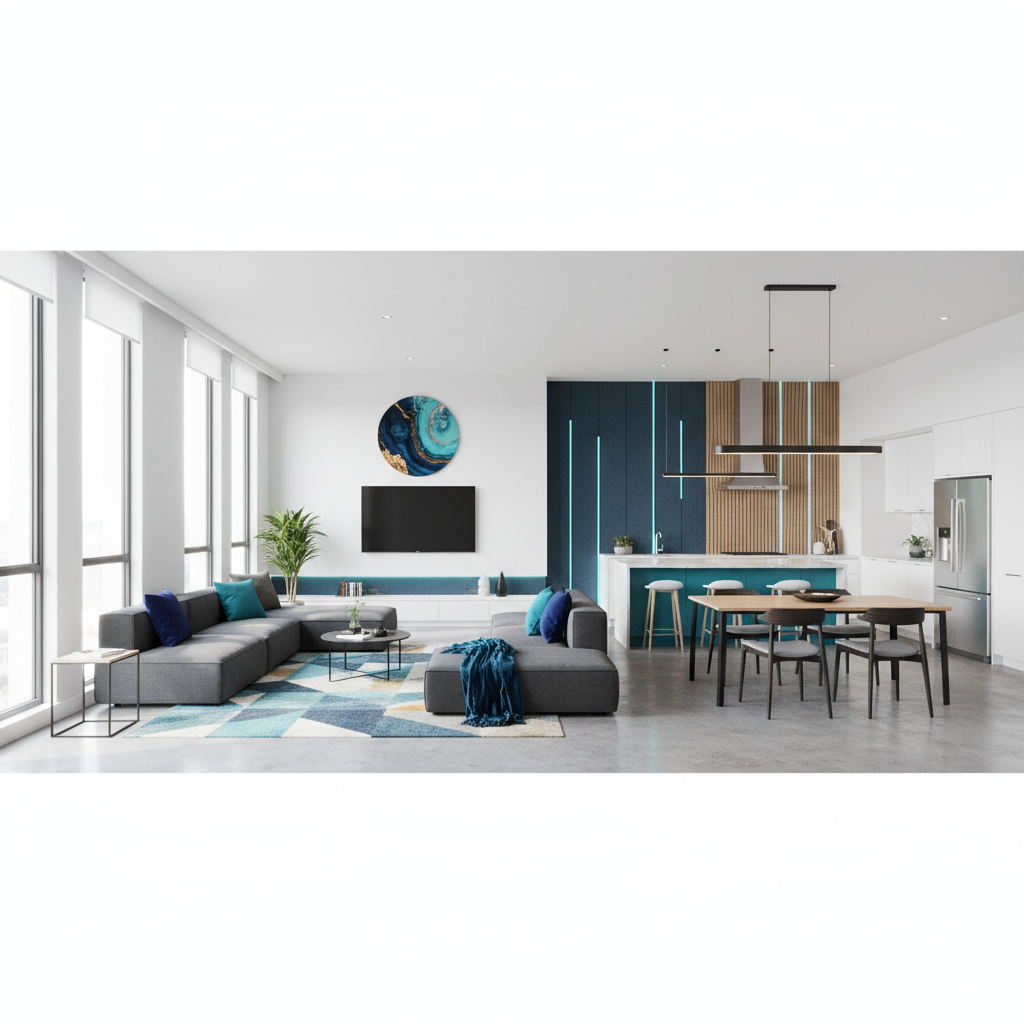
Co-living properties are delivering rental yields of 6-15%, according to co-living investment research. That's 2-3X higher than traditional rentals.
How? By renting individual rooms instead of the entire property. A house that rents for $600 per week as a single dwelling can generate $1,200 per week as a co-living arrangement.
According to Australian co-living data, co-living properties can deliver $20,000-$40,000 annual profit even in high interest rate environments.
Other manufactured equity strategies include:
- Cosmetic renovations that add 15-20% value
- Minor subdivisions to unlock land value
- Granny flat additions to double rental income
- Zoning changes to maximize development potential
The key is buying right, adding value strategically, and recycling equity into the next deal.
Building a Portfolio with Strategy Not Hope
Wealth isn't built with one property. It's built with a portfolio.
Here's the playbook:
- Buy your first property under market value with strong yield
- Hold 12-18 months and build equity
- Use equity to buy property #2
- Repeat every 18-24 months
- Scale to 5-7 properties within 10 years
Successful investors combine positive cash flow properties, capital growth assets, and manufactured equity plays to build diversified portfolios.
The critical factor? Cash flow. If your properties are positively geared or neutral, you can hold through market cycles. If they're bleeding $500 per week, you're stuck.
How Dragan Dimovski and Buyers Agency Australia Find Investment-Grade Deals
Dragan Dimovski has been investing in property for over 20 years. He's built a successful personal portfolio and helped hundreds of clients do the same.
His approach is simple: data-driven analysis, off-market access, and zero emotional buying.
The 10-Year Portfolio Modeling Approach
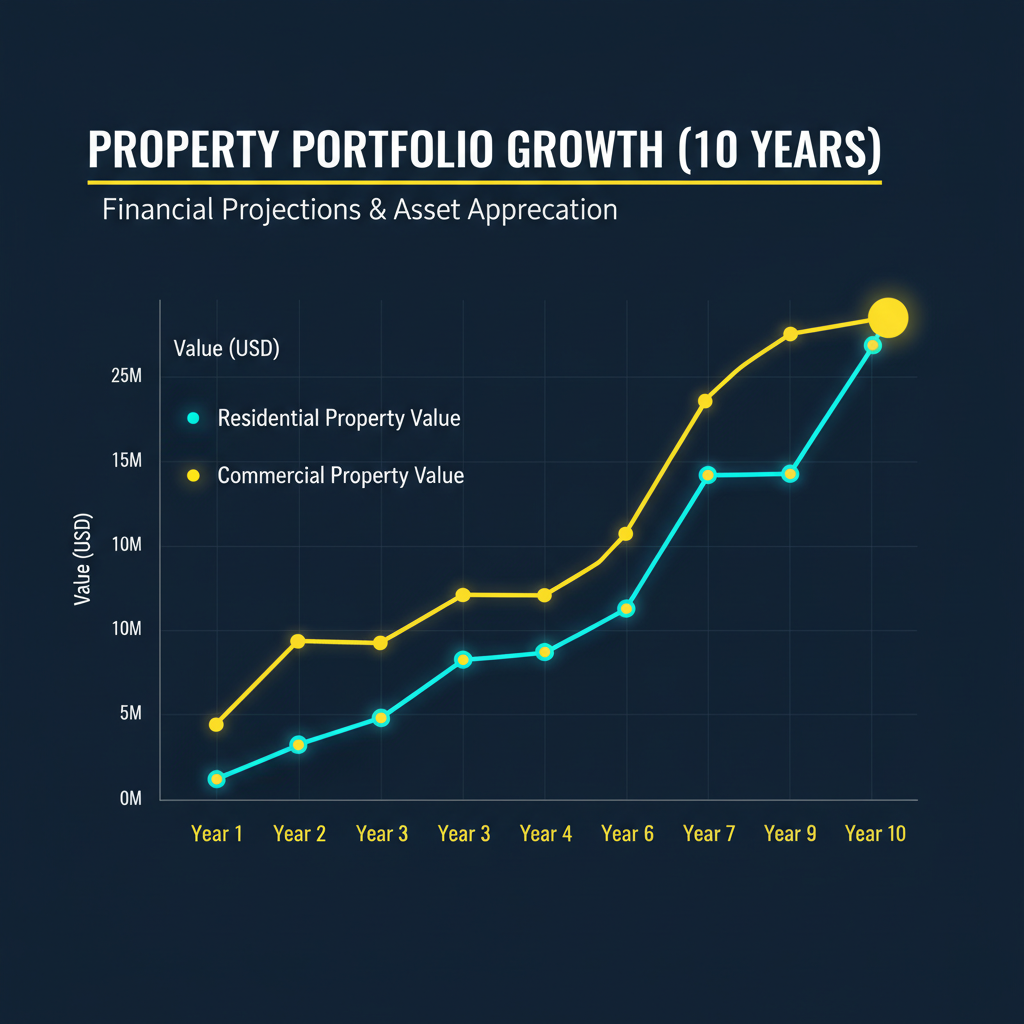
Most buyers agents find you a property. Dragan builds you a strategy.
Every client receives a 10-year portfolio model showing:
- Projected equity growth across multiple properties
- Cash flow analysis under different interest rate scenarios
- Deposit recycling timeline for scaling
- Exit strategies and wealth milestones
This isn't guesswork. It's financial planning backed by 20+ years of experience and real market data.
You can book a free strategy session to see exactly how this works.
Off-Market Access Across Every Australian Capital
Buyers Agency Australia has boots on the ground in Brisbane, Sydney, Melbourne, Perth, Adelaide, and regional growth corridors.
We don't wait for properties to hit the market. We're connected with selling agents, property developers, and private vendors before listings go live.
Most under-market deals happen through relationships, not public listings.
That's our competitive advantage.
Transparent Fixed-Fee Model with No Conflicts
Most buyers agents charge 2-3% of purchase price. That creates a conflict of interest—they make more money when you spend more.
Buyers Agency Australia uses a transparent fixed-fee model. We're paid the same whether you buy a $600,000 property or a $900,000 property. Our incentive is to find you the BEST deal, not the most expensive one.
Frequently Asked Questions
Why do most property investors in Australia fail to build wealth?
Most investors buy emotionally, overpay, and purchase low-yield properties in oversupplied areas. They get stuck with one negatively-geared property and never scale their portfolio.
What is the biggest mistake first-time property investors make?
Buying without a clear strategy. They don't understand cash flow vs capital growth, overpay at auctions, and trust selling agents instead of getting independent buyers advocacy.
How can I buy property under market value in Australia?
Access off-market opportunities, negotiate with motivated sellers, target deceased estates or mortgagee sales, and work with experienced buyers agents who have industry relationships.
What are off-market properties and how do I find them?
Off-market properties are not publicly advertised. They're shared privately among agents and serious buyers. You access them through buyers agents with strong industry connections.
Is negative gearing still a good property investment strategy in 2026?
Negative gearing works only if you can afford the cash flow drain and property values grow significantly. With 65% of investors cash-flow negative, it's risky without buffers.
How do I know if a property investment is actually a good deal?
Analyze rental yield, purchase price vs market value, capital growth history, supply-demand fundamentals, and 10-year cash flow projections under different interest rate scenarios.
What rental yield should I target for investment property?
Target 5-7% gross yield in capital cities, 7-9% in regional growth areas. Anything below 4% requires exceptional capital growth to justify negative cash flow.
Should I use a buyers agent or buy investment property myself?
Buyers agents provide off-market access, negotiation expertise, and strategic guidance. They typically save clients 5-10% on purchase price, which far exceeds their fee.
Final Thoughts: The Hard Truth About Property Wealth
Most Australians will never build wealth through property.
Not because property doesn't work. But because they approach it emotionally, pay retail prices, and lack a clear strategy.
The investors who succeed are the ones who:
- Buy under market value
- Prioritize cash flow and yield
- Access off-market opportunities
- Build portfolios systematically
- Work with experienced buyers agents
If you're serious about building wealth through property in 2026, stop hoping and start strategizing.
Book your free strategy session with Buyers Agency Australia today. Let's build your investment roadmap based on data, experience, and 20+ years of proven results.
The property market rewards preparation, not luck. Let's make sure you're prepared.