The best suburbs to invest in Australia for 2026 combine strong population growth, infrastructure spending, tight rental markets, and employment diversity. Locations like Clyde North in Victoria, Austral in Sydney, and Alkimos in Perth are attracting investors due to low vacancy rates below 1%, major transport projects, and affordability relative to established markets.
If you're searching for where to invest in property Australia in 2026, you're not alone. With national dwelling values rising 9.4% annually and rental vacancy rates sitting at just 1.1% nationally, the pressure to choose wisely has never been higher.
The wrong suburb can mean stagnant capital growth, prolonged vacancies, and missed opportunities. The right one can set you up for decades of wealth creation. That's why understanding the data-driven factors that make a suburb investment-grade is critical for both first-time buyers and seasoned portfolio builders.
This guide reveals the best suburbs to invest in Australia based on 2026 market forecasts, infrastructure pipelines, and rental demand fundamentals. We'll also show you the common mistakes investors make and how Buyers Agency Australia helps clients identify high-growth locations before the crowd catches on.
Why Choosing the Right Suburb Matters for Property Investors
Suburb selection is the single most important decision you'll make as a property investor. It determines your rental yield, capital growth trajectory, tenant quality, and exit strategy.
Capital Growth vs Cash Flow
The best suburbs to invest in Australia balance both capital appreciation and rental income. Growth suburbs like Clyde North in Victoria delivered 4.21% average annual growth with median house prices at $737,500, while yielding solid rental returns due to high tenant demand from young families.
Cash flow suburbs like Port Lincoln in South Australia offer rental yields above 5% with a median house price of $500,000 and 10-year average annual growth of 11.36%.
Most beginner investors chase price growth alone. Smart investors understand that yield keeps you solvent during slow markets, while capital growth builds long-term equity.
Risk Mitigation Through Diversification
Investing in the right suburb also means avoiding over-concentration in a single market cycle. Perth recorded 13% growth in 2025 and 2.3% monthly growth in February 2026, but history shows it's one of Australia's most volatile markets.
Diversifying across Brisbane, Adelaide, and regional growth corridors spreads risk while capturing different phases of the property cycle.
Tenant Demand and Vacancy Rates
Low vacancy rates signal strong tenant demand. Brisbane, Perth, and Darwin all recorded vacancy rates below 1% in early 2026, meaning properties are being filled within days of listing.
High vacancy rates above 2% indicate oversupply or weak rental demand, which can leave your property sitting empty for weeks or months.
Key Factors That Make a Suburb a Good Investment
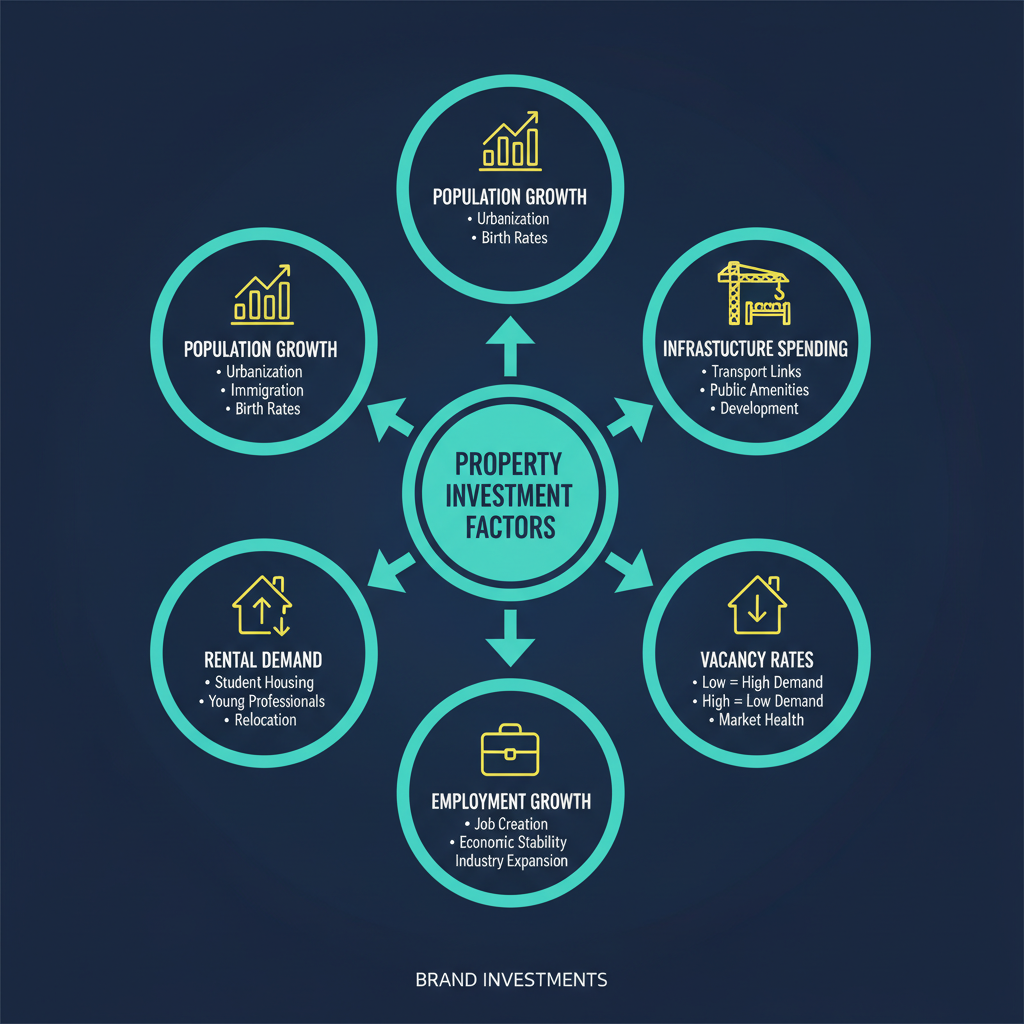
Not all suburbs are created equal. The best property investment suburbs Australia share specific characteristics that drive demand and deliver returns.
Population Growth
Population growth fuels housing demand. Australia's population is forecast to rise to over 30 million by 2030, with Sydney welcoming 184,619 overseas migrants in the latest year.
Suburbs experiencing rapid population expansion like Austral in NSW, which grew from 3,000 people in 2016 to almost 7,000 in 2021 and is set to accommodate 55,000 residents, are positioned for long-term capital appreciation.
Look for suburbs in growth corridors with master-planned estates, new schools, and expanding retail precincts.
Infrastructure Spending
Major infrastructure projects unlock value. The 2026 Infrastructure Priority List identifies over 60 nationally significant transport, energy, and water projects.
Key projects include Sydney Metro West linking Parramatta to the CBD, Brisbane's Cross River Rail, Melbourne's Suburban Rail Loop, and Western Sydney International Airport opening in 2026.
Suburbs within 5-10km of new transport nodes or employment hubs typically see accelerated price growth. Westmead, Five Dock, and Woolloongabba are all benefiting from metro station proximity.
According to Infrastructure Australia, targeted investment in city-shaping transport will unlock priority growth areas for housing and development.
Rental Demand and Low Vacancy Rates
Australia's national rental vacancy rate fell to 1.1% in February 2026, down from 1.3% a year earlier. Cities like Brisbane (0.6%), Perth (0.6%), and Hobart (0.5%) have some of the tightest rental markets in the country.
Low vacancy rates mean landlords can command higher rents and experience minimal downtime between tenants. Suburbs with vacancy rates below 2% are considered landlord-favourable markets.
Data from SQM Research shows rental markets remain constrained due to population growth exceeding housing completions.
Employment Growth and Economic Diversity
Suburbs near major employment hubs attract stable, high-income tenants. Parramatta, known as Sydney's second CBD, is undergoing a massive transformation with billions invested in infrastructure and strong capital growth of 8% annually.
Regional centres like Townsville are booming due to growth in defence, healthcare, and renewable energy sectors, delivering strong rental yields and low vacancy rates.
Avoid single-industry towns where employment is tied to one sector like mining, which can experience boom-bust cycles.
Affordability Relative to Income
Affordability drives first-home buyer and investor demand. Suburbs with median prices between $600,000 and $850,000 offer entry points for a broader pool of buyers.
Werribee in Melbourne has a median house price of $630,000 with 4.40% average annual growth, making it accessible for investors with lower budgets while still delivering solid returns.
Affordability constraints are pushing demand toward outer-growth corridors and regional centres, where buyers can secure larger homes and better yields.
Best Suburbs to Invest in Australia by State
Let's break down the standout property investment suburbs Australia across each state based on 2026 forecasts, infrastructure, and market fundamentals.
New South Wales: Sydney and Regional Hotspots
Austral and Leppington (Western Sydney)
Austral and Leppington are reshaping Sydney's investment landscape due to Western Sydney International Airport proximity and large-scale rezoning.
Austral is set to accommodate more than 17,000 homes and 55,000 residents, up from just 3,000 in 2016. Leppington offers direct access to major motorways and is positioned for rapid price appreciation.
Bankstown recorded 26.3% growth in recent data, making it one of the best suburbs to invest in Sydney 2026.
Parramatta
Parramatta is a major employment hub with billions invested in the Parramatta Light Rail and Metro West projects. Median house prices saw 8% annual growth, and the suburb attracts professionals, families, and students.
The area benefits from strong connectivity, retail options, and renovation potential while remaining cheaper than inner-city counterparts.
Regional NSW: Tamworth
Tamworth, known as the country music capital, is quietly becoming a property hotspot with strong underlying demand, tight rental conditions, and infrastructure investment.
It offers lower-risk, long-term growth according to property experts at Hotspotting.
Victoria: Growth Corridors and Regional Centres
Clyde North and Cranbourne East
Clyde North offers exceptional affordability and long-term growth potential in Melbourne's south-east growth corridor. It's one of Australia's fastest-growing population areas with median house prices at $737,500 and 4.21% average annual growth.
Cranbourne East is underpinned by large master-planned estates, new schools, and emerging retail hubs, making it ideal for families and investors.
Werribee and Tarneit
Werribee and Tarneit are showing strong potential due to new infrastructure and amenities. Werribee has a median house price of $630,000 with 4.40% average annual growth.
These suburbs attract first-home buyers and investors seeking larger family homes within commuting distance of Melbourne and Geelong.
Regional Victoria: Ballarat and Geelong
Ballarat and Geelong offer space, affordability, and lifestyle appeal. Regional Victoria experienced 6% growth in 2025, and these centres provide diversification away from Melbourne's inner suburbs.
Queensland: Brisbane, Gold Coast, and Regional Markets
Coorparoo and Redcliffe (Brisbane)
Coorparoo offers a vibrant village atmosphere, connectivity, and proximity to Brisbane CBD, with strong potential for capital growth. The median house price sits at $1.8 million, with units at $725,000.
Redcliffe combines coastal lifestyle appeal with accessibility, making it attractive for owner-occupiers and investors.
Pimpama, Coomera, and Arundel (Gold Coast)
Pimpama, Coomera, and Arundel are high-growth suburbs on the Gold Coast. They combine affordability, infrastructure development, and strong rental demand.
Arundel's proximity to schools, shopping centres, and transport hubs ensures a strong tenant pool, making it attractive for both families and professionals.
Regional Queensland: Townsville and Mackay
Townsville is a prime spot for property investors due to strong rental yields, low vacancy rates, and booming infrastructure driven by defence, healthcare, and renewable energy sectors.
Mackay offers a relaxed coastal lifestyle, new infrastructure, and strong demand from investors and homebuyers, with mining, agriculture, and tourism supporting the local economy.
South Australia: Adelaide Suburbs and Regional Centres
Brooklyn Park, Brompton, and Port Adelaide
Inner and near-city suburbs Brooklyn Park, Brompton, and Port Adelaide benefit from proximity to Adelaide CBD and major renewal projects.
Eyre, located north of Adelaide CBD, achieves rental yields upwards of 5% with a median house price of $600,000 and 12-month growth of 15.77%.
Regional SA: Port Lincoln
Port Lincoln has shown strong growth with an affordable median house price of $500,000, a 10.86% increase from the prior year, and rental yields upwards of 5%.
Its 10-year average annual growth rate of 11.36% shows long-term capital growth potential, according to ABS data.
Western Australia: Perth and Regional WA
Alkimos, Baldivis, and Ellenbrook (Perth)
All nine WA nominations on the 2026 Hot 100 list recorded double-digit annual gains. Alkimos, Baldivis, and Ellenbrook combine transport upgrades, coastal lifestyle, and relative value compared to inner-Perth stock.
Perth's rental vacancy rates remain tight at 0.6%, supporting rental yields and investor interest.
Maddington and Spalding (Regional WA)
Maddington has affordability, good yields, and growth momentum, making it one of WA's best suburbs to invest in 2026.
Spalding in the City of Greater Geraldton recorded 38.6% 12-month growth with median house prices at $395,000 and rental yields over 5.5%.
Tasmania: Hobart and Regional Markets
Acton (Burnie)
Acton, just 3km from Burnie's city centre, offers a median rental yield of 5.4% and median home price increases of 94.9% over five years.
The suburb is drawing investor interest amid strong rental demand fuelled by infrastructure upgrades and clean energy investment.
West Launceston
West Launceston is becoming popular among buyers seeking a premium lifestyle without the premium price tag. Its $630,000 median home price is $270,000 cheaper than neighbouring East Launceston.
How Dragan Dimovski Identifies High-Growth Investment Suburbs

Dragan Dimovski, founder of Buyers Agency Australia, has over 20 years of experience identifying investment-grade properties before they hit the mainstream.
His approach combines on-the-ground market intelligence with rigorous data analysis, ensuring clients secure properties in suburbs poised for long-term growth.
10-Year Portfolio Modelling
Unlike agencies that chase quarterly headlines, Dragan focuses on 10-year portfolio modelling to ensure sustainable wealth creation. He evaluates suburbs based on infrastructure pipelines, demographic shifts, and employment diversity.
This forward-looking strategy has helped clients build portfolios exceeding $10 million in equity.
Transparent Fixed-Fee Model
Buyers Agency Australia operates on a transparent fixed-fee model, not commission-based structures. This means recommendations are driven by client outcomes, not vendor incentives.
For investors seeking unbiased suburb selection and negotiation expertise, this model ensures alignment of interests.
Access to Off-Market Deals
Dragan's network provides access to off-market properties in high-demand suburbs before they're publicly listed. This gives clients a competitive edge in tight markets like Brisbane and Perth.
If you're serious about investing in the best suburbs to invest in Australia, book a free strategy session to discuss your goals.
Common Mistakes Investors Make When Choosing Suburbs
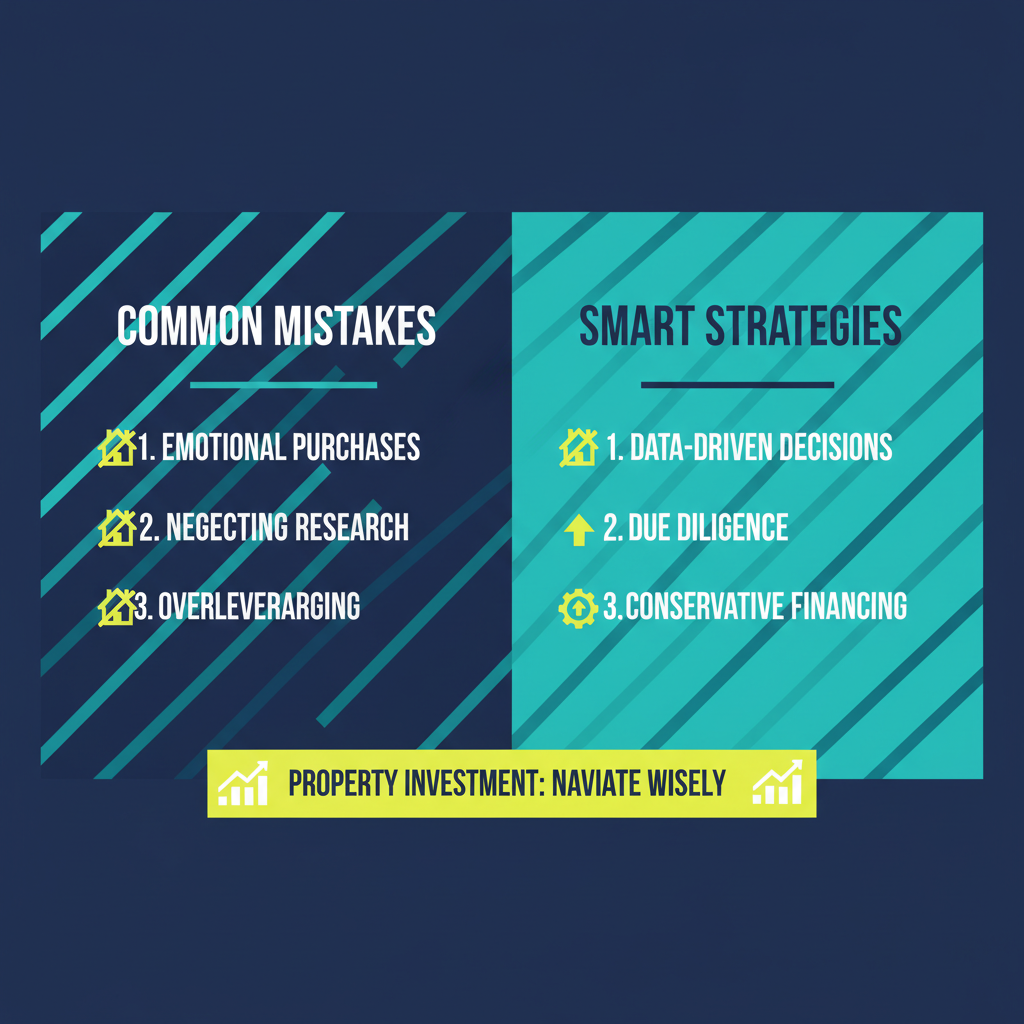
Even experienced investors fall into traps that cost them tens of thousands in missed growth or negative cash flow.
Chasing Last Year's Winners
Investing in suburbs that already experienced rapid growth often means you've missed the upside. Perth surged 13% in 2025, but experts warn the market may moderate to 5-8% growth in 2026 as affordability limits temper demand.
Instead, look for suburbs in the early stages of infrastructure development or demographic shifts.
Ignoring Vacancy Rates
High vacancy rates above 2% signal oversupply or weak rental demand. Investors who ignore this metric can face prolonged periods without rental income.
Always check SQM Research or CoreLogic data before committing.
Overlooking Economic Diversity
Single-industry towns like mining centres can deliver high yields but carry significant risk if the industry declines. Spalding in WA, for example, offers 38% growth but is tied to mining cycles.
Diversify across suburbs with mixed employment bases like healthcare, education, and government services.
Buying Based on Emotion, Not Data
Many first-home buyers and investors purchase properties based on personal lifestyle preferences rather than investment fundamentals.
The best suburbs to invest in Australia aren't necessarily where you'd want to live. They're where the numbers, tenant demand, and growth drivers align.
Underestimating Holding Costs
Investors often overlook body corporate fees, land tax, maintenance, and vacancy periods. These holding costs can erode cash flow and turn a positive-yield property into a loss-maker.
Before buying, model your holding costs using conservative rental assumptions and vacancy buffers.
How Experienced Investors Identify High-Growth Locations
Successful investors follow a disciplined, data-driven process to identify where to invest in property Australia.
Analysing Infrastructure Pipelines
They study the 2026 Infrastructure Priority List and state government capital programs to identify suburbs benefiting from transport, healthcare, and education projects.
Suburbs within 5km of new metro stations or motorway upgrades typically see accelerated capital growth.
Monitoring Demographic Shifts
Population growth, household formation, and migration patterns signal rising demand. Suburbs with net overseas migration, young families, and employment hubs attract stable, long-term tenants.
Data from the Australian Bureau of Statistics provides insights into migration and population trends.
Evaluating Supply Constraints
Tight supply due to zoning restrictions, geographic limitations, or slow construction pipelines supports price growth. Suburbs with advertised stock 40% below the 5-year average, like Perth, maintain upward pressure on values.
New dwelling commencements and completions are also well below decade averages due to construction costs and scarce labour supply.
Partnering with Specialist Buyers Agents
Experienced investors work with buyers agents who provide market intelligence, off-market access, and negotiation expertise.
Buyers Agency Australia specialises in data-driven investment strategies and end-to-end purchasing solutions for time-poor professionals and portfolio builders.
For personalised suburb analysis and acquisition support, contact the team today.
Frequently Asked Questions
What makes a suburb a good property investment in Australia?
A good investment suburb has strong population growth, low vacancy rates below 2%, infrastructure projects, employment diversity, and affordability relative to income.
Which Australian suburbs have the highest rental yields in 2026?
Suburbs like Port Lincoln (5%), Spalding (5.7%), Acton (5.4%), and regional Darwin (7.5%) offer the highest rental yields in 2026.
Are regional suburbs better than capital cities for investment?
Regional suburbs often offer higher yields and affordability, but capital cities provide greater liquidity, tenant pools, and long-term capital growth. Diversification across both is ideal.
How do I avoid buying in an oversupplied suburb?
Check vacancy rates via SQM Research, monitor new dwelling approvals, and avoid suburbs with high-rise apartment clusters or off-the-plan saturation.
Should I use a buyers agent to find investment suburbs?
Yes, buyers agents provide market intelligence, off-market access, and negotiation expertise, saving time and increasing returns. Buyers Agency Australia offers free strategy sessions.