Australia's property market has fractured into two distinct tiers in 2026. Perth, Brisbane, and Adelaide suburbs are experiencing double-digit growth driven by affordability and supply shortages, while Sydney and Melbourne face stagnation as affordability ceilings and tighter borrowing conditions constrain demand.
If you're tracking Australia's property market in 2026, one pattern has become impossible to ignore. Some suburbs are posting 12 to 20 per cent annual price gains, attracting fierce competition from buyers willing to drop finance clauses and pay premiums. Meanwhile, other markets have cooled to near-zero growth or modest single-digit rises, despite historically low stock levels.
This split is what economists and property analysts are calling the two-speed property market, and it's reshaping how investors, first-home buyers, and upgraders approach property decisions. Understanding what separates the winners from the underperformers is critical for anyone serious about building wealth through real estate.
Buyers Agency Australia helps clients navigate this complexity by using data-driven suburb selection, 10-year portfolio modelling, and off-market access to identify high-growth locations before the crowd catches on.
What the Two-Speed Property Market Actually Means
Defining the Two-Speed Divide
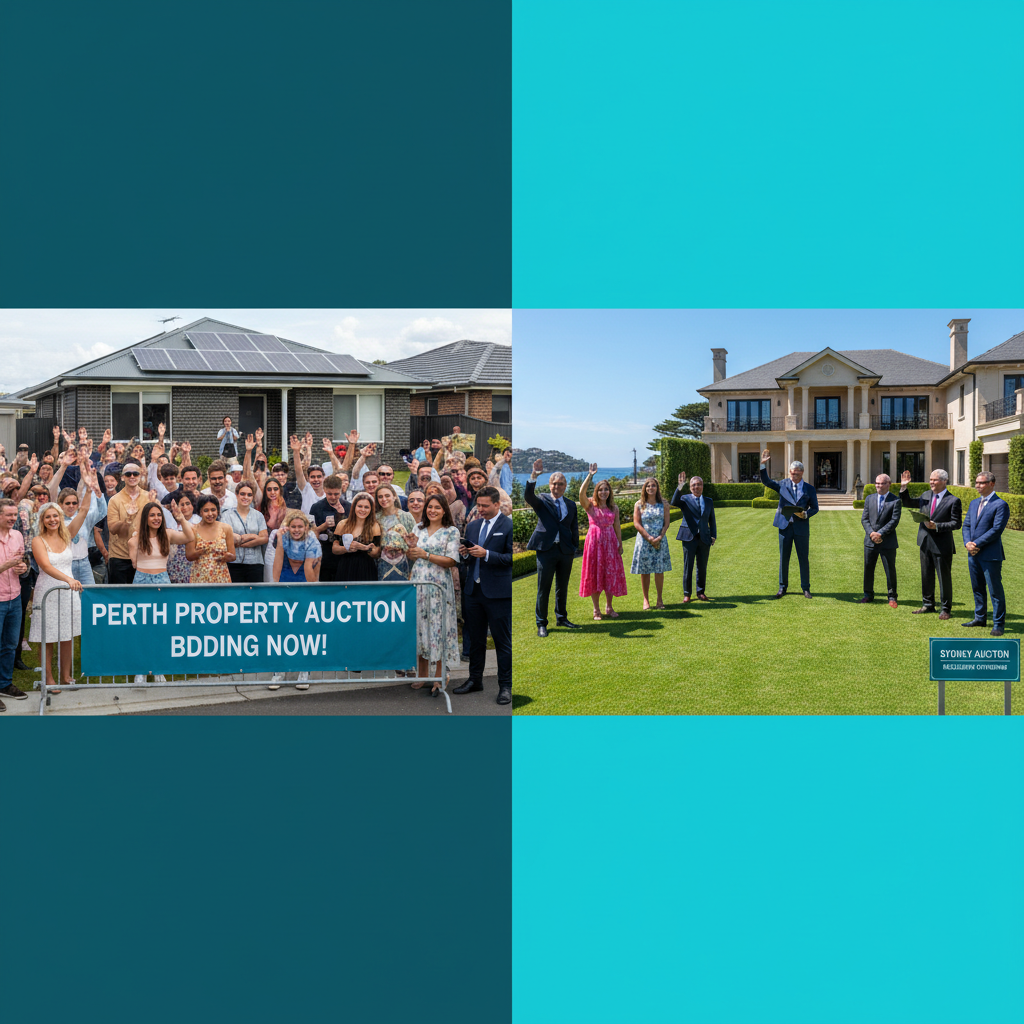
The two-speed property market describes a clear divergence in performance across Australian capital cities and regions. According to Cotality data released in March 2026, Perth recorded dwelling value growth of 2.3 per cent in February alone, lifting its median to $989,211 and delivering 22 per cent annual growth. Brisbane followed with 1.6 per cent monthly and 17.3 per cent annual gains, reaching a median of $1,080,538. Adelaide posted 1.3 per cent monthly and 10.9 per cent annual growth.
By contrast, Sydney and Melbourne values flatlined in February, recording no growth and falling -0.1 per cent and -0.4 per cent respectively over the three months to February. This represents the starkest capital city divergence in recent years.
Within-City Price Segmentation
The two-speed dynamic also exists within individual cities. Across most markets, properties priced under $1 million are seeing stronger demand and faster price growth than higher-priced stock. This reflects tighter credit conditions, serviceability buffers, and the concentration of first-home buyers and mainstream investors competing at the affordable end.
In practical terms, homes typically worth under $1 million are outperforming homes worth more than $1 million, creating a price ceiling effect in premium suburbs.
Why This Matters for Investors
For investors, the two-speed market means that location selection has never been more critical. Choosing the wrong suburb or price segment can result in years of underperformance, while strategic acquisition in supply-constrained, affordability-driven markets can deliver outsized returns.
Buyers Agency Australia specialises in identifying A-grade assets in these high-momentum corridors, using transparent fixed-fee structures and evidence-based selection criteria.
The Five Forces Driving the Two-Speed Property Market in 2026
1. Affordability and Borrowing Power Constraints
Affordability is the single most decisive factor separating high-growth from stagnant markets. Sydney's median dwelling value now sits at approximately $1.3 million, while Melbourne is around $826,000. Both cities face severe affordability constraints, with mortgage repayments absorbing more than 50 per cent of household income in Adelaide and similar pressures evident in Sydney.
By contrast, Perth remains relatively affordable despite strong recent gains, with buyers still able to secure entry-level properties under $850,000. Brisbane and Adelaide offer similar accessibility, particularly in outer growth corridors.
Tighter serviceability buffers and debt-to-income lending limits introduced in 2025 have further constrained borrowing capacity at the upper end, creating a natural ceiling on growth in premium suburbs.
2. Housing Supply Shortages and Listing Volumes
Low inventory is the decisive driver in outperforming markets, according to API Magazine analysis from March 2026. Perth, Brisbane, and Adelaide all face chronic supply shortages, with listing volumes sitting 16 to 30 per cent below five-year averages.
Western Australia completed the lowest share of new dwellings (nine per cent) relative to population growth (17 per cent) since the pandemic, creating a severe supply-demand imbalance. Queensland accounted for more than a quarter of Australia's population growth but less than one-fifth of new dwelling supply.
By contrast, Victoria has built new homes at a faster rate than other states, resulting in prices growing at a much slower pace than the national average.
3. Migration Patterns: Interstate and Overseas Flows
Migration trends are reshaping demand distribution across Australia. As of 1 January 2026, there were 2.98 million temporary visa holders in Australia, the highest number on record. Australia's population grew by 423,600 people in the year to September 2025, driven primarily by net overseas migration of 311,000.
Sydney and Melbourne receive the most overseas migrants, but Perth, Brisbane, and Adelaide are seeing strong interstate migration as people seek affordability and lifestyle benefits. Queensland saw the biggest influx of internal migrants, with more than 45,000 people moving to the state in 2025 alone.
New arrivals typically rent first, adding immediate pressure to rental markets and driving investor demand in high-yield, affordable suburbs.
4. Infrastructure Investment and Employment Growth
Infrastructure spending is a proven driver of long-term capital growth. Perth benefits from mining-related employment and infrastructure projects, including the Ship Lift Facility and ongoing defence industry investment. Brisbane is supported by major transport upgrades, employment hubs, and preparation for the 2032 Olympics.
Sydney Metro West, Western Sydney Airport, and the broader Aerotropolis development are creating pockets of opportunity in Sydney's outer west, though broader affordability pressures are limiting growth across the wider metro area.
Infrastructure-linked suburbs consistently outperform, as transport accessibility, job creation, and amenity improvements enhance liveability and buyer appeal.
5. Investor Demand and Rental Market Tightness
Investor lending is up 31.8 per cent year-on-year, according to data from early 2026. Rental markets remain exceptionally tight, with national vacancy rates sitting around 1.2 per cent and rents rising 5.5 per cent annually.
Cotality's national Rental Value Index rose 0.7 per cent in February 2026, with rents up 1.7 per cent over the three months to February, the strongest quarterly lift since April 2025. Darwin leads rental growth at 8.6 per cent annually, while Perth, Brisbane, and Adelaide all post above-average rental yield and low vacancy.
This combination of rising rents, low vacancy, and strong investor activity is driving parallel streams of demand: investors chasing rising rents and yields, and renters trying to escape escalating lease costs.
Which Suburbs Are Booming and Why
Perth: The National Growth Leader
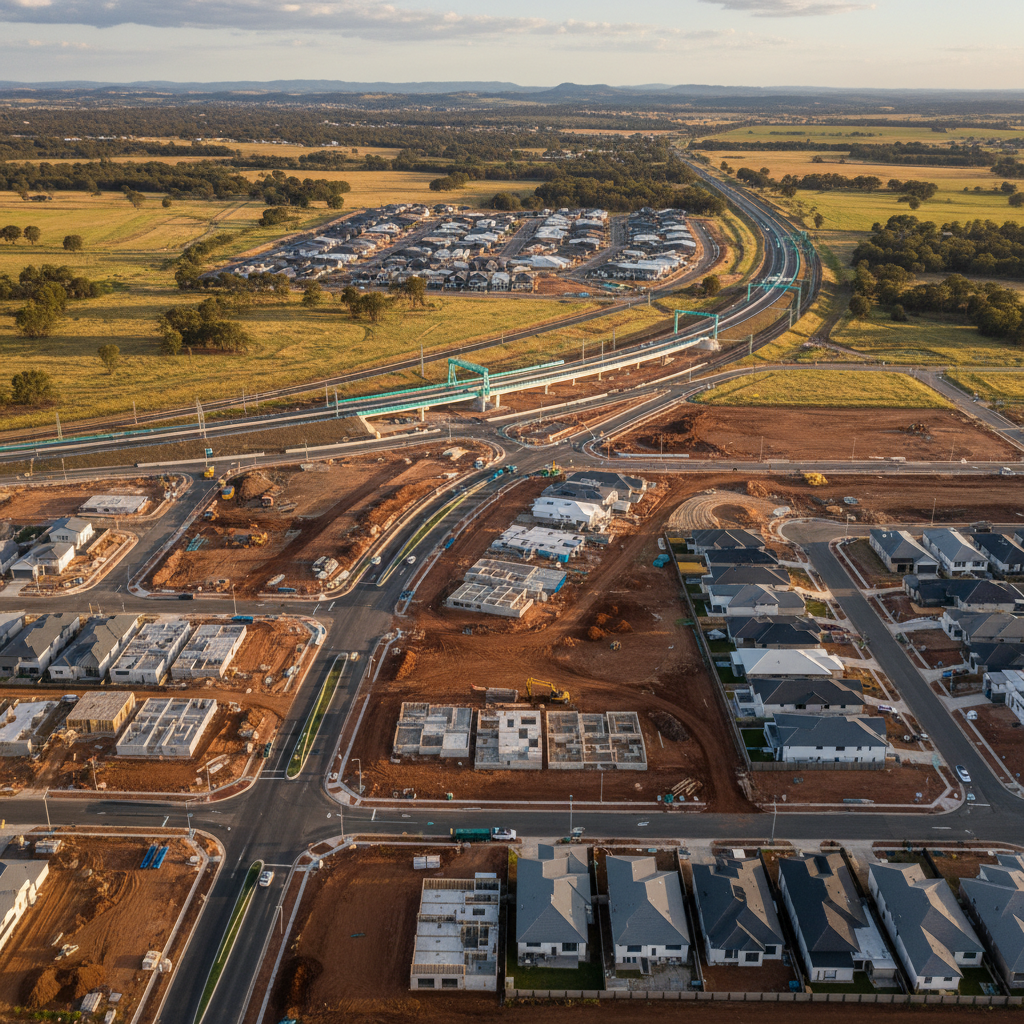
Perth posted the standout February 2026 gain of 2.3 per cent, lifting its median to $989,211 and delivering 22 per cent annual growth, the highest of any capital. Property values have surged 98.3 per cent since 2021, with the median house price exceeding $1 million for the first time in early 2026.
Key drivers include:
- Strong interstate and overseas migration
- Chronic housing supply shortage
- Mining and defence-related employment
- Relative affordability compared to eastern states
Suburbs like Kalbarri, Mandogalup, and Morley recorded annual growth above 30 per cent in 2025. Nollamara, Rockingham, and Baldivis continue to attract strong buyer demand in 2026.
Brisbane and South-East Queensland
Brisbane recorded 1.6 per cent monthly and 17.3 per cent annual growth to February 2026, with a median dwelling value of $1,080,538. Greater Flagstone, Hillcrest, and Goodna have emerged as high-growth, high-yield suburbs.
The Brisbane market benefits from:
- Strong population growth from interstate migration
- Infrastructure spending including transport upgrades
- Preparation for the 2032 Olympics
- Affordability relative to Sydney and Melbourne
Gold Coast and Sunshine Coast property prices are forecast to grow 7 to 15 per cent in 2026, driven by lifestyle migration and rental demand.
Adelaide's Supply-Constrained Boom
Adelaide added 1.3 per cent monthly and 10.9 per cent annual growth, reaching a median of $922,991. Ultra-low vacancy rates (often 0.4 per cent) and strong rental yields make Adelaide attractive to investors.
Davoren Park recorded approximately 28 per cent house price growth in 2024, with neighbouring suburbs posting similar gains.
Affordability pressures are beginning to emerge, which may moderate growth in 2027, but supply constraints continue to support prices in 2026.
Which Markets Are Stalling and Why
Sydney: Affordability Ceiling and Tightening Credit
Sydney's median dwelling value sits at approximately $1.3 million, with affordability acting as a handbrake on growth. Sydney values flatlined in February 2026, recording no growth and falling -0.1 per cent over the three months to February.
Higher-priced coastal and inner-city suburbs have recorded slower performance or slight declines. Properties in these areas often exceed the $2 million mark, where affordability remains a key barrier.
However, outer and mid-ring suburbs, particularly in Western Sydney, continue to perform well. Suburbs like Austral, Leppington, Bankstown, and Parramatta benefit from infrastructure investment, affordability, and strong buyer competition.
Melbourne: Slow Recovery After Flat Cycle
Melbourne values flatlined in February 2026, recording -0.4 per cent over the three months to February. The city is emerging from a 12-year flat cycle in real terms, with median house prices growing at below-average pace since 2017.
Victoria's stronger housing supply delivery relative to other states has moderated price growth. However, 196 Victorian suburbs are now in early-stage recovery, more than every other state combined, according to HtAG Analytics data from February 2026.
Suburbs like Warranwood, Warrandyte, Bentleigh East, and Mornington are entering recovery phase, offering potential entry points for capital growth investors.
Canberra and Hobart: Moderate Performers
Canberra and Hobart are forecast to record modest growth in the 4 to 7 per cent range in 2026. Both markets benefit from stable employment and limited supply, but lack the population growth momentum of Perth, Brisbane, and Adelaide.
What Investors Should Look for When Choosing Where to Buy
Supply Constraints Relative to Population Growth
The strongest predictor of near-term price growth is the supply-demand imbalance. Investors should assess:
- Listing volumes relative to five-year averages
- Dwelling completions relative to population growth
- Days on market and vendor discounting trends
Markets with severe supply shortages and strong population inflows consistently outperform.
Migration and Employment Fundamentals
Internal and overseas migration patterns signal future demand. Suburbs attracting younger, migrant-led households typically see sustained buyer and renter demand.
Employment diversity, infrastructure investment, and local economic stability underpin long-term performance.
Affordability and Price Ceiling Analysis
Affordability determines how much upward price momentum a market can sustain. Investors should assess:
- Median price relative to household income
- Borrowing power constraints at current interest rates
- Price segmentation within the market (sub-$1 million vs premium)
Markets approaching affordability ceilings are at higher risk of deceleration.
Rental Yield and Vacancy Rates
Tight rental markets with low vacancy and rising rents offer reliable income streams and capital growth support. Gross rental yields above 4 per cent, combined with vacancy below 2 per cent, signal strong tenant demand.
Infrastructure and Amenity Upgrades
Proximity to new transport links, employment hubs, schools, and retail precincts enhances liveability and buyer appeal. Suburbs benefiting from major infrastructure projects consistently deliver above-average returns.
How Buyers Agency Australia Identifies High-Growth Investment Locations

Transparent, Data-Driven Suburb Selection
Buyers Agency Australia was founded by Dragan Dimovski to bridge the gap between expensive corporate agencies and impersonal data firms. The approach is transparent, results-oriented, and built on 20+ years of real-world investing experience.
Every property is assessed using 10-year portfolio modelling to ensure it meets cash flow, capital growth, and risk-adjusted return targets. This long-term focus ensures clients avoid short-term FOMO and build sustainable wealth.
Fixed-Fee Model and Off-Market Access
Unlike commission-based agents, Buyers Agency Australia operates on a transparent fixed-fee model, aligning incentives with client outcomes. The team has access to off-market opportunities in supply-constrained suburbs, allowing clients to secure A-grade assets before they hit the public market.
National Coverage Across All Major Capitals
With a presence across all major Australian capital cities, Buyers Agency Australia helps clients identify high-growth suburbs in Perth, Brisbane, Adelaide, and emerging pockets in Sydney and Melbourne.
Whether you're a first-home buyer overwhelmed by auctions, a time-poor professional, or a portfolio builder scaling from one to five properties, Buyers Agency Australia provides end-to-end acquisition support tailored to your goals.
Book a free strategy session to discuss your property investment goals and discover which suburbs offer the best risk-adjusted returns in 2026.
Frequently Asked Questions
What is the two-speed property market?
The two-speed property market describes the divergence between high-growth capitals like Perth, Brisbane, and Adelaide and slower-growth markets like Sydney and Melbourne, driven by affordability, supply, and migration patterns.
Which Australian suburbs are booming in 2026?
Perth, Brisbane, and Adelaide suburbs are experiencing the strongest growth, with outer Perth suburbs, South-East Queensland corridors, and Adelaide fringe areas posting double-digit gains.
Why is Sydney's property market stalling?
Sydney faces severe affordability constraints, with median dwelling values around $1.3 million and tighter credit conditions limiting borrowing power, particularly for premium properties.
Are Melbourne property prices expected to recover?
Yes. Melbourne is emerging from a flat cycle, with 196 suburbs entering early-stage recovery phase, more than any other state, according to HtAG Analytics data from February 2026.
What should property investors look for in 2026?
Investors should prioritise supply-constrained suburbs with strong migration inflows, infrastructure investment, affordability, low vacancy, and high rental yields to maximise capital growth and cash flow returns.
Final Takeaways: Navigating the Two-Speed Market with Confidence
The two-speed property market of 2026 rewards strategic, evidence-based decision-making. Affordability, supply constraints, migration patterns, infrastructure investment, and rental market tightness are the five forces separating high-growth suburbs from underperformers.
Perth, Brisbane, and Adelaide continue to lead national growth, driven by severe supply shortages and strong population inflows. Sydney and Melbourne face affordability ceilings and tighter credit conditions, though pockets of opportunity exist in outer growth corridors and early-stage recovery suburbs.
For investors, the greatest risk is not the market itself but choosing the wrong assets. A-grade properties in supply-constrained, high-demand locations will outperform dramatically, while B- and C-grade properties risk underperformance as the market moderates.
Buyers Agency Australia helps clients cut through the noise, using transparent fixed-fee structures, 10-year portfolio modelling, and off-market access to secure investment-grade properties before the crowd catches on.
Contact Buyers Agency Australia today to discuss how we can help you navigate the two-speed property market and build long-term wealth through strategic property investment.